
Mainframe capacity planning: build a reliable 3-year plan
Simulate growth, mergers and workload shifts three years out, then invest on evidence instead of guesswork.

Zetaly Resource Planning (ZRP) is a predictive analytics solution (PredOps) that builds capacity plans around how your business evolves. From historical activity and future user events, it defines the infrastructure and configuration your forecast activity needs, while respecting your service level agreements (SLAs). Its simulation engine helps you design scenarios to anticipate change — a new configuration, a workload shift, or a merger — making tomorrow’s mainframe observable.
What accurate capacity predictions let you do
01
Optimize investments by avoiding over- and under-capacity
02
Right-size your infrastructure to your business
03
Plan hardware and software budgets
04
Execute and track your capacity plan
05
Compare forecasts against actuals to measure success
Power up decision-making
ZRP follows a workflow with several stages: creating references, gathering hypotheses, constructing scenarios, running simulations, and estimating software consumption. It produces a capacity plan over time, the architecture and sizing of mainframe servers, and a consumption and cost estimate per CPC (Central Processor Complex), LPAR (logical partition), and MLC (Monthly License Charges) product. The aim is to help you define investment plans and make strategic decisions about how the mainframe platform evolves.
Predict and simulate with Capacity Planning
Capacity Planning lets you explore scenarios, then compare and select the one that fits your business, technical, or economic goals.
ZRP in action
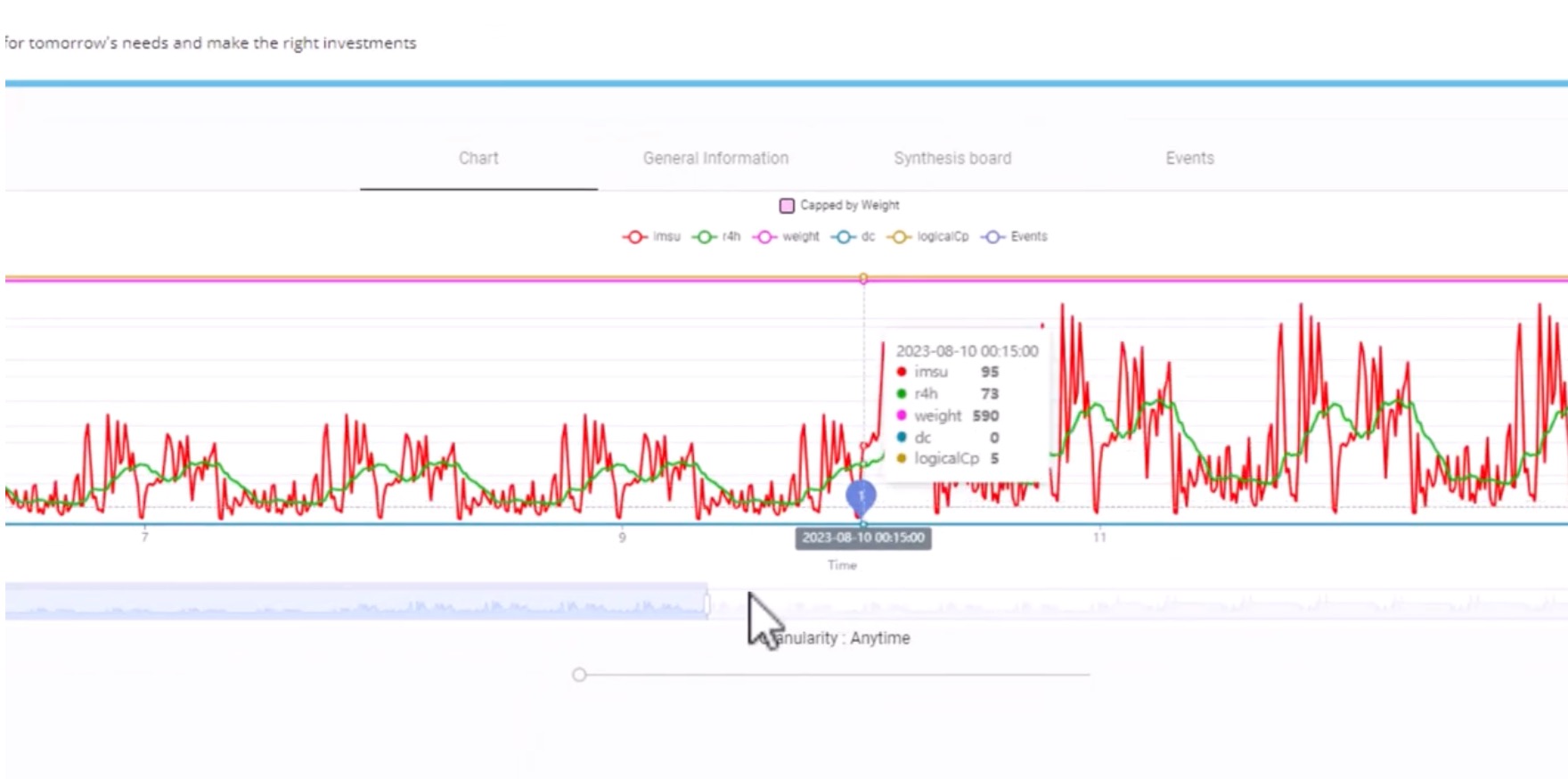
An 11-minute video walks through four simulations and compares two simulations, to show how ZRP is used.
Frequently Asked Questions
What is Zetaly Resource Planning (ZRP)?
ZRP is a predictive analytics solution (PredOps) that builds capacity plans around how your business evolves. From historical activity and future events, it defines the infrastructure and configuration your forecast activity needs while respecting your service level agreements.
How far ahead does ZRP plan?
ZRP builds a three-year capacity plan. It uses historical activity and future user events to define the infrastructure and configuration your forecast activity will need, and its simulation engine lets you test scenarios for that horizon.
What does ZRP’s simulation engine do?
The simulation engine helps you design scenarios to anticipate change, such as a new configuration, a workload shift, or a merger. You can build multiple scenarios and compare them before deciding.
What does ZRP produce?
ZRP produces a capacity plan over time, the architecture and sizing of mainframe servers, and a consumption and cost estimate per CPC, LPAR, and MLC product, to support investment and strategic decisions.
What is ZRP’s Capacity Planning workflow?
Capacity Planning lets you explore, compare, and select scenarios that fit your business, technical, or economic goals.
What does ZRP help you decide?
ZRP helps you define your investment plans and make strategic decisions about how your mainframe platform should evolve by giving you insight into future capacity and budget requirements.