
Modern Mainframe Computer: Sustaining the Legacy
For more than fifty years, mainframes have been essential to computing, powering many of the world's most critical business systems. Their evolution, from massive machines that filled a room to today's powerful, streamlined servers, reflects both technological advances and the changing demands of computing. This post explores the history of the mainframe and examines the characteristics of its modern form, demonstrating its continuing importance in our digital world.
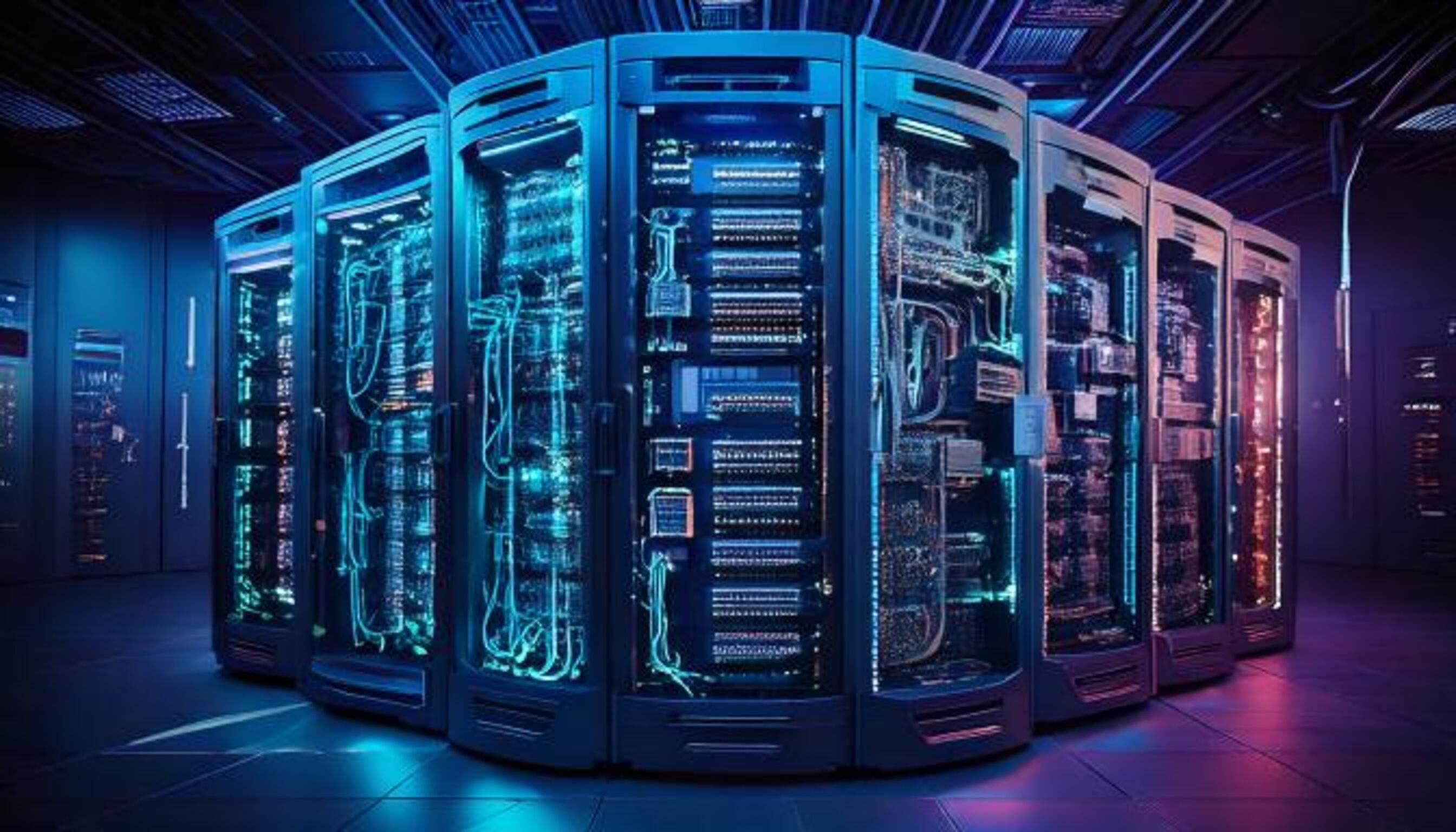
Mainframe Evolution through the Decades
The mainframe celebrated its sixtieth birthday in April 2024. This milestone marks six decades of unparalleled reliability, scalability, and innovation in IT infrastructure. Since IBM introduced the first System/360 in 1964, the mainframe has evolved significantly, transitioning through various iterations to meet the growing demands of global businesses. On its sixtieth anniversary, the mainframe symbolizes a legacy of transformation while showcasing resilience and adaptability, firmly rooted in modern IT strategies like hybrid cloud and modernization initiatives. Over the decades, mainframes underwent significant transformations, mirroring advances in technology and shifts in computing paradigms.
1960s: The birth of the IBM System/360 heralded the age of general-purpose computing, allowing businesses to adopt a standardized platform for diverse applications. This era laid the foundation for modern enterprise computing with the System/360's modular architecture.
1970s: This decade witnessed advancements like virtual memory and dynamic address translation, enabling more efficient memory management. New systems like the System/370 improved processing speeds, supporting burgeoning global business requirements.
1980s: With the rise of microprocessors, mainframes were enhanced with vector processing capabilities, delivering improved performance for scientific and financial applications. IBM’s introduction of Multiple Virtual Storage (MVS) provided sophisticated workload management.
1990s: Mainframes embraced distributed computing, integrating seamlessly with emerging client-server models. Parallel Sysplex technology was introduced to offer horizontal scalability and high availability, transforming mainframes into versatile, cluster-based systems.
2000s: The 21st century brought Linux integration, opening the mainframe ecosystem to open-source applications. IBM introduced the zSeries (later System z), which supported logical partitioning (LPAR) for better resource management.
2010s: Mainframes became even more flexible with the zEnterprise System, bridging mainframe and distributed environments through hybrid computing. Support for advanced cryptography and APIs ensured security and compliance while making data accessible to modern applications.
The Modern Mainframe
Today's mainframes are marvels of modern computing, characterized by their exceptional processing power, reliability, security, and scalability. Far from being relics of the past, modern mainframes have embraced innovation, supporting modern workloads, including cloud services, big data analytics, and mobile applications. IBM's z16 Systems and LinuxONE are prime examples, offering advanced features such as pervasive encryption, hybrid cloud capabilities, and energy efficiency, ensuring that mainframes remain at the forefront of enterprise computing.
Modern mainframes are designed to handle the immense volume of transactions generated by digital economies, from banking and insurance to healthcare and government services. They offer unparalleled uptime, robust security features, and the ability to process significant workloads cost-effectively, thanks to sophisticated capacity and performance management tools.
The Future of Mainframes
As digital transformation accelerates, the role of the mainframe is evolving but not diminishing:
Green IT: The modern mainframe is bound to play a crucial role in advancing Green IT initiatives due to its unparalleled efficiency and consolidation capabilities. With the ability to support thousands of virtual servers on a single system, it significantly reduces the physical footprint of data centers, leading to substantial energy and cost savings. Advanced workload management optimizes resource allocation, ensuring that processing power is used only as needed, minimizing waste. Additionally, the mainframe’s robust virtualization and scalability reduce the need for excess hardware, while its integrated security features minimize the carbon footprint associated with external security devices. By incorporating these efficient practices into hybrid cloud strategies, modern mainframes empower organizations to achieve their sustainability goals without compromising on performance, reliability, or scalability.
Artificial Intelligence: The rise of AI initiatives in the business world has been remarkable, driven by the vast potential of machine learning and data analytics to transform operations and deliver new insights. Companies across industries are leveraging AI to optimize supply chains, personalize customer experiences, detect and prevent fraud, and automate routine tasks. As a result, there is a growing need for powerful computing infrastructure capable of processing the immense datasets required for accurate model training and real-time analysis, a job well-fitted for mainframe environments. As such, the role of mainframes in artificial intelligence (AI) is predicted to grow and already has been significantly enhanced by the introduction of the IBM Telum processor, which integrates dedicated AI acceleration directly into the mainframe architecture.
Quantum Computing: Mainframe computing has the potential to play a pivotal role in quantum computing, particularly in integrating and supporting the emerging quantum technology within the existing enterprise infrastructure. In this regard, mainframes can serve as the foundational platform in a hybrid computing architecture, where classical and quantum systems work together. Quantum computers would handle specialized problems like complex optimization, while mainframes manage the orchestration, data processing, and coordination of tasks between different computing environments.
In conclusion, the mainframe's journey from its inception to the present is a testament to its resilience and adaptability. Far from being obsolete, modern mainframes continue to be pivotal in the computing landscape, combining traditional strengths with cutting-edge technologies to meet the demands of today's digital world. As we look to the future, the mainframe's legacy of innovation and reliability is sure to play a crucial role in shaping the next generation of computing.