
Mainframe Modernization: The Best Strategic Investment?
Businesses are constantly seeking ways to modernize their infrastructure to stay competitive and agile. One such crucial aspect is the modernization of mainframe systems, a process that can drive efficiency, reduce costs, and enhance overall business operations. Let's delve into the essentials of mainframe modernization, exploring why companies need it and providing a detailed example of a modernization technique. As business decision-makers, understanding the significance of this transformation is paramount in unleashing the full potential of your organization.
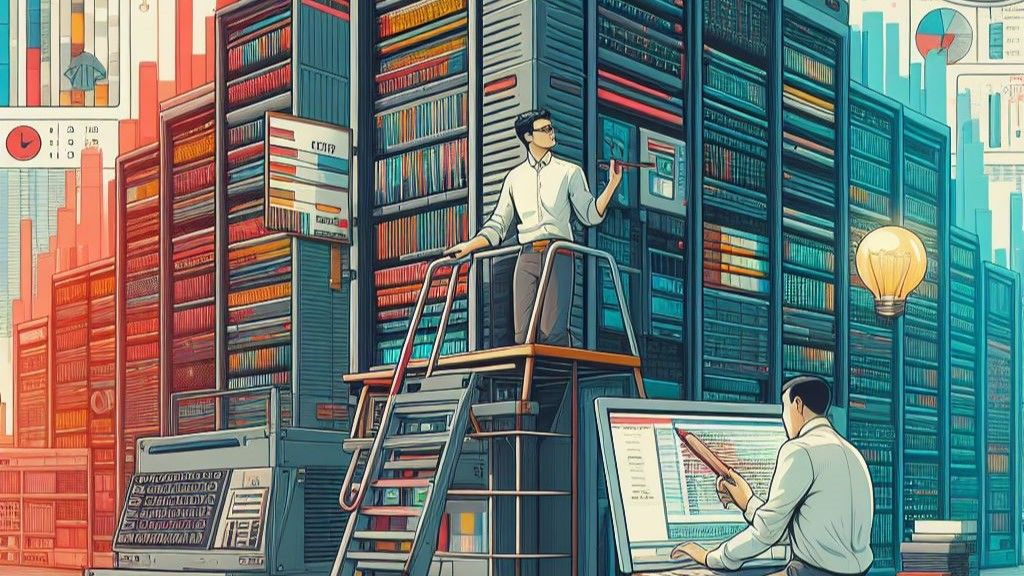
What is Mainframe Modernization?
Mainframe modernization is the strategic process of updating and revitalizing legacy mainframe systems to meet contemporary business demands. Traditionally, mainframes have been the backbone of many organizations, managing vast amounts of critical data and running mission-critical applications. However, the challenge arises as these systems age, becoming expensive to maintain, difficult to integrate with modern technologies, and cumbersome to adapt to evolving business needs.
Modernization involves adopting cutting-edge technologies, methodologies, and tools to transform and future-proof these legacy systems. This process aims to enhance scalability, flexibility, and overall efficiency, ensuring that mainframes remain an asset rather than a hindrance to progress.
Why Should I Care about Mainframe Modernization?
Businesses constantly need to adapt to an ever-changing technological landscape. Mainframe modernization is essential for several reasons:
- Cost Efficiency: Legacy mainframes often incur high maintenance costs. Modernization allows businesses to optimize costs by leveraging more cost-effective technologies, leading to long-term financial benefits.
- Agility and Flexibility: Modernized mainframes enable companies to respond swiftly to market changes. With enhanced agility, organizations can adapt to new technologies, market trends, and customer demands, staying ahead of the competition.
- Integration with Modern Technologies: Legacy systems may struggle to integrate with contemporary technologies such as cloud computing and mobile applications. Mainframe modernization ensures seamless integration, fostering a more connected and collaborative IT environment.
What is a Real-world Example of Mainframe Modernization?
Let's take the example of containerization. This technology has emerged as the modern standard for deploying applications due to its unparalleled efficiency and flexibility. Containers encapsulate applications with their dependencies, ensuring consistency across diverse environments, from development to production.
Containers isolate applications, enhancing security and enabling the development of microservices architectures. This approach simplifies development workflows, accelerates deployment cycles, and supports the agility required in today's dynamic business landscape, making containerization the preferred choice for modern application deployment.
However, legacy mainframes work in a highly orchestrated yet monolithic approach. That's why IBM worked on z/OS containerization technologies to make mainframe legacy applications eligible for containerization.
Enhanced orchestration platforms like z/OS Container Extensions and Docker for IBM Z provide efficient environments for deploying and managing containers on mainframes. This convergence empowers businesses to leverage the benefits of containerization, such as scalability, agility, and resource optimization, while preserving the functionality of their mission-critical mainframe systems.
Why Mainframe Modernization Calls for Modern Data Analytics?
By leveraging analytics, organizations gain a deep understanding of legacy systems, enabling informed decision-making during their modernization project. This data-driven approach enhances efficiency, identifies optimization opportunities, and streamlines the integration of modern technologies. Analyzing IT data facilitates a proactive stance by anticipating challenges and ensuring a seamless transition to contemporary infrastructures. In short, data analytics empowers businesses to navigate the complexities of mainframe modernization while optimizing processes and resources. Among mainframe modernization tools, Zetaly Data Platform empowers users with real-time insights from diverse sources, enhanced data quality, effortless accessibility, and seamless integrations.
The journey from legacy systems to hybrid infrastructures waves the concerns about aging mainframes while unlocking new opportunities for efficiency, cost-effectiveness, and adaptability. As businesses embark on this transformative path, the synergy of modern data analytics becomes essential. By harnessing the power of analytics, organizations gain a strategic edge in making informed decisions throughout the modernization process, ensuring a smooth transition and optimal utilization of resources. Mainframe modernization is not just a technological upgrade: it is a strategic investment that propels businesses into a future of innovation, resilience, and sustained success in an ever-evolving digital landscape.